
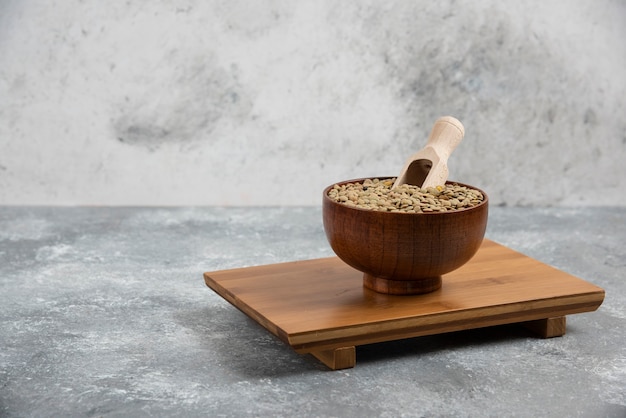
Turn your harvest into seasonings you'll reach for every day
Three unhurried hours around a shared table: drying, toasting, grinding and blending — then home you go with four jars labelled in your own hand.
The promise
A shelf of homemade blends, and the know-how to keep it full
Imagine sprinkling a pinch of your own shichimi-style mix over steaming udon, or passing a jar of herb salt across the table and saying "I made that." It's a small thing that makes ordinary meals feel cared for.
- Four blends made by you, to take home
- Techniques you can repeat with every future harvest
- Fresher, brighter flavour than long-stored shop jars
- A relaxed afternoon with a few kindred spirits
The problem
Good harvests that end up in the compost
A thriving herb pot is a happy problem — until it bolts, or a bag of cut leaves goes limp in the fridge. Many growers simply don't know what to do with more than they can use fresh, and spice blending can look intimidating from the outside.
Drying feels risky
Too hot and the aroma goes; too damp and things spoil.
Blends seem secret
Proportions and toasting times are rarely written down clearly.
Jars get forgotten
Without labels and dates, it's hard to know what's still worth using.
The solution
Learn by doing, at a shared table
We keep groups to six people so everyone gets hands-on time. You'll dry and grind herbs, toast and blend a shichimi-style seven-spice mix, rub a fragrant herb salt and mix a sesame-nori furikake.
Along the way we talk through the parts that usually go wrong: how low "low heat" really is, how to tell when seeds are toasted, how to store blends so they stay lively, and why a date on every label matters.
It works because you leave having made each blend once with your own hands. The second time at home feels familiar, not daunting.
The experience
An afternoon that smells wonderful
Held at our Miyazaki studio or in your own kitchen. All ingredients and equipment are provided, and every skill level is welcome.
- Welcome & drying
Tea, introductions, and a look at air-drying versus low-oven drying.
- Toast & grind
Sesame and seeds in a dry pan, then the suribachi — everyone takes a turn.
- Blend
Shichimi-style mix, herb salt and furikake, each adjusted to your taste.
- Jar & label
Fill four small glass jars and write their labels by hand.
There's always time for tasting and for questions about your own garden. Please let us know ahead of time about any food allergies — sesame, nori and chilli are part of the usual blends, and we can often adapt.
The investment
Ingredients, tools and a skill for life
The price covers your place at the table, every ingredient and tool, the four jars you fill, printed recipe cards and the seasonal blending guide. There's nothing extra to buy on the day.
If you'd like to host a workshop in your own kitchen for a small group of friends, just mention it when you write.
Home Spice Craft Workshop
¥15,800
- 3-hour workshop, up to six guests
- All ingredients and equipment provided
- Four small glass jars with hand-written labels
- Printed recipe cards for every blend
- A seasonal blending guide
- At our Miyazaki studio or in your kitchen
The proof
How you'll know the skills have stuck
The workshop is built around a simple idea: if you've done it once properly, you can do it again. Here's what to expect afterwards.
The same evening
Your jars are ready to use. Most people try the furikake on rice that very night.
Within a month
With the recipe cards, a first batch made entirely at home — often herb salt, as it's the gentlest start.
Through the year
The seasonal guide suggests what to dry and blend as each herb peaks in your garden.
A dated label is your best progress tracker: when you find yourself refilling a jar before the old one goes stale, you'll know the habit has taken root.
Our commitment to you
Questions welcome long after the workshop
If a blend doesn't come out as you hoped when you try it at home, send us a note describing what happened. We'll help you work out why and how to adjust it — that support is part of what you've paid for.
Not sure a group workshop is for you? Ask us anything first; there's no obligation, and we're happy to suggest the best way in.
Next steps
Joining a workshop
- 1
Send a short note saying you're interested, and whether you'd prefer the studio or your own kitchen.
- 2
We reply within two working days with upcoming dates and a question about allergies.
- 3
Choose a date. We confirm in writing and send directions. Then just bring yourself — and an apron if you like.
Save a seat at the blending table?
Write whenever you're ready. We'll share the next dates and keep things small, friendly and fragrant.
Ask about the workshop